 Save
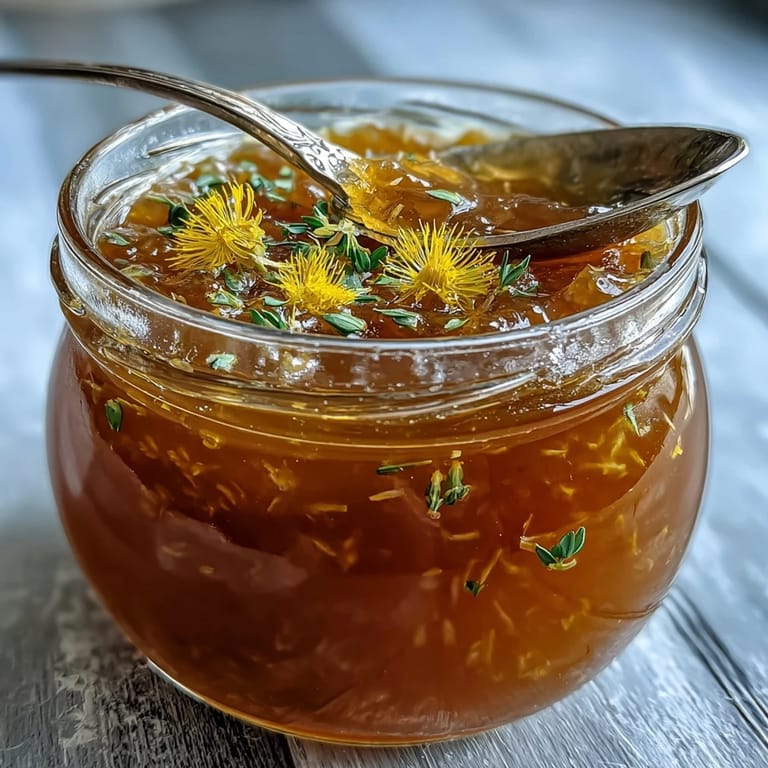
Save The scent of sun-warmed dandelions and fresh lemon always brings to mind the first time I crafted a batch of dandelion jelly one sleepy spring morning. My kitchen was dotted with tiny pollen flecks, and I found myself humming as I plucked yellow petals from each blossom. The process felt less like cooking and more like bottling sunshine for the days ahead. Dandelion jelly is one of those preserves that tastes as cheerful as it looks, especially with a swirl of honey worked in. The balance of sweet and floral notes makes each jar a little celebration of the season.
I remember sharing my first batch with a neighbor over tea, watching her curiosity turn to delight after a spoonful on warm toast. The conversation turned quickly to backyard foraging and childhood memories of blowing dandelion seeds. That day, the kitchen was alive with laughter and the gentle clinking of glass jars cooling on the counter. My hands smelled of lemon and honey for hours afterward, an unexpected bonus. The jelly made ordinary toast feel almost like a picnic.
Ingredients
- Fresh dandelion petals: Only the yellow parts go in—removing all greens prevents any hint of bitterness and keeps the color brilliant.
- Water: Using fresh, filtered water makes the infusion pure and gives the jelly a clean finish.
- Fresh lemon juice: A squeeze of lemon brightens the jelly and balances the floral sweetness; always strain out the seeds.
- Granulated sugar: Gives structure and preserves flavor—measure carefully so it's not too sweet.
- Mild honey: A gentle honey blends smoothly and adds layered sweetness without overpowering dandelion notes.
- Fruit pectin: The magic that turns infusion into jelly; I've learned not to skimp or the set won't hold.
Tired of Takeout? 🥡
Get 10 meals you can make faster than delivery arrives. Seriously.
One email. No spam. Unsubscribe anytime.
Instructions
- Petal Prep Party:
- Pick through your dandelion heads, plucking only the yellow petals while chatting and enjoying the fragrance—avoid any green bits for a mellow taste.
- Simmering Sunshine:
- Combine the petals with water in your biggest saucepan, bring to a lively boil, then ease into a gentle simmer for ten minutes; the scent fills the kitchen with a faint buttery sweetness.
- Slow Steep Magic:
- Turn off the heat, cover the pot, and let everything rest overnight or at least six hours; patience really deepens the infusion's golden flavor.
- Straining the Goodness:
- Use a fine mesh sieve or cheesecloth, pressing gently so you don’t waste any liquid, then discard the spent petals.
- Measure and Adjust:
- Pour out three cups of the infusion—top up with water if needed to keep the batch consistent.
- Zing and Set:
- Pour the dandelion liquid back into a clean pan, then stir in lemon juice and pectin as you turn up the heat, whisking eagerly.
- Sweetness Assembly:
- Add sugar and honey in one swift measure, stir constantly, and let it bubble furiously for a minute or two; watch for it to thicken and test for the perfect jelly set.
- Skim and Clean:
- Remove from heat, beautifully skim off any foam on the surface with care.
- Jar Filling Joy:
- Ladle the syrupy jelly into hot, sterilized jars—leave a little headspace and wipe the rims before sealing up tight.
- Water Bath Finish:
- Process jars in a dancing boil for five minutes, then cool undisturbed and check the seals the next day before storing your sunny jars.
 Save
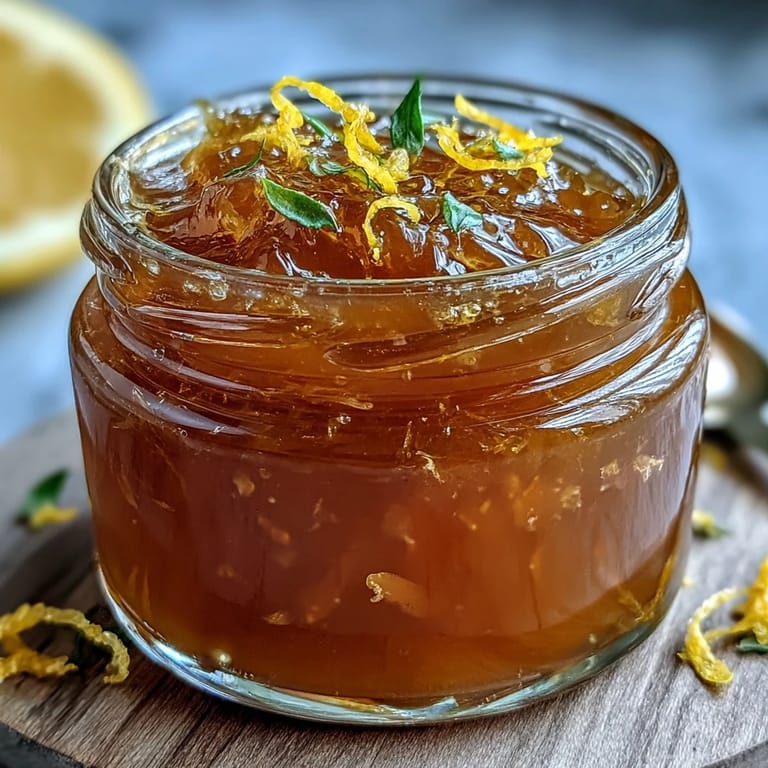
Save One quiet afternoon, I gifted a full jar to my grandmother, and she claimed it tasted “like spring on a spoon.” That jar ended up at the center of a family brunch, surrounded by cheese boards and stories. What began as kitchen curiosity honestly became a tradition—every year, someone asks if there’s more dandelion jelly to go around. It brings people together both foraging and sharing. The anticipation for that first golden swirl never really fades.
Getting the Set Just Right
When I first tried the jelly test on a cold plate, I nervously pushed the edge and waited for that little wrinkle—sometimes it took a second batch to get it perfect. Practice makes the process feel less intimidating, and watching the jelly transform from liquid to shimmering gold is strangely satisfying. Don’t be afraid to boil a bit longer if needed; just keep stirring until it passes the test. It’s such a relief when it finally sets! Adjust the pectin or cook time if you want firmer or softer jelly depending on your preference.
Harvesting Dandelions Safely
I learned quickly to avoid any parks or lawns treated with pesticides, and now I choose open, sunny spots for foraging. Only the fully open blossoms yield the sweetest flavor, and picking dandelions just after the morning dew dries makes preparation less messy. Wearing gloves helps keep hands clean and pollen-free during picking. It feels good to know each jar’s contents were gathered right from nature. Always double check your sources for safety and freshness.
Creative Ways to Enjoy Dandelion Jelly
Besides spreading on toast, I love drizzling dandelion jelly over yogurt or pairing it as a glaze for roasted chicken for an unexpected citrus-floral finish. If you enjoy cheese plates, this jelly brightens everything from soft brie to tangy goat cheese. Friends have told me it makes the simplest breakfast feel special. Experiment with adding a hint of vanilla, or serve it as a gift in pretty jars for springtime occasions.
- Label jars clearly so everyone knows it’s homemade.
- Try layering jelly in trifles for visual appeal.
- Don’t forget to cool jars completely before storing for longevity.
 Save
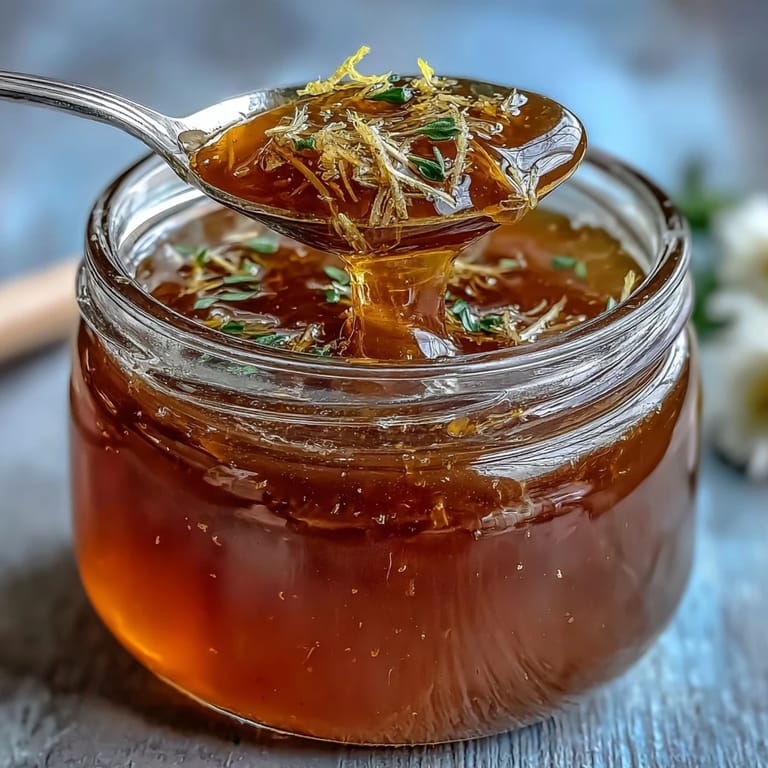
Save I hope your kitchen feels as sunny as mine did the day I first bottled dandelion jelly. Share your jars—it’s a smile in every bite.
Q&A About the Recipe
- → How do I select dandelion petals?
Pick only yellow petals, removing green parts to avoid bitterness. Use blooms from untreated, pesticide-free areas.
- → Can I substitute honey for a vegan option?
Yes, replace honey with agave syrup or additional granulated sugar to achieve a vegan-friendly spread.
- → How do I know when the jelly is set?
Test by chilling a spoonful on a cold plate. If it wrinkles when pushed, the mixture is set and ready.
- → What can I pair with this jelly?
Enjoy it on toast, with yogurt, or alongside soft cheeses. It also adds flavor as a glaze for roasted chicken.
- → What equipment do I need?
You’ll need a large saucepan, fine sieve or cheesecloth, measuring tools, sterilized jars, a ladle, and a water bath canner.
- → Is this spread suitable for infants?
Because it contains honey, avoid serving it to infants under one year of age.