 Save
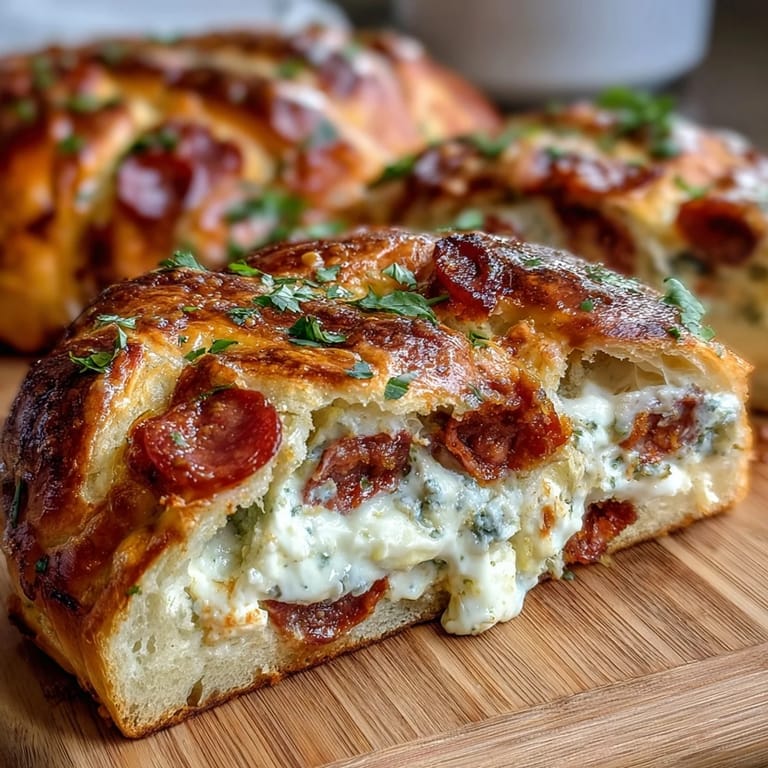
Save My nonna used to make this pie every Easter morning, and the kitchen would fill with this golden, savory aroma that meant spring had officially arrived. Years later, I watched her hands work the pastry with such ease, and I realized this wasn't just a dish—it was her way of saying the family was together again. The first time I attempted it alone, I was nervous about the lattice work, but once I tasted that creamy, salty filling studded with salami, I understood why she made it every single year without fail.
I made this for my first Easter hosting the whole family, and honestly, I was terrified it would fall apart. My cousin arrived early and caught me frantically checking on it through the oven window every five minutes, and she laughed and made me sit down with coffee while it finished baking. When I pulled it out golden and perfect, everyone's faces as they took that first bite made every anxious moment completely worth it.
Ingredients
- All-purpose flour (2 1/2 cups): The foundation of your pastry, and using it cold straight from the pantry helps create those tender, flaky layers.
- Unsalted butter (1/2 cup, cold): Cold butter is crucial here—it creates pockets of steam that make the crust crispy and light.
- Salt (1/2 teaspoon for dough, 1/2 for filling): Don't skip seasoning any layer; it's what makes every component taste like itself.
- Eggs (4 large for filling, 2 for dough, 1 for wash): Eggs bind everything together while also enriching the pastry and giving the filling structure.
- Cold water (2–3 tablespoons): Add just enough to bring the dough together—too much makes it tough.
- Whole-milk ricotta cheese (2 cups, well drained): Draining your ricotta beforehand prevents a watery filling, and whole-milk ricotta tastes noticeably creamier than part-skim.
- Heavy cream (1/2 cup): This luxurious addition keeps the filling from becoming too dense as it bakes.
- Parmigiano-Reggiano cheese (1 cup, grated): Real Parmigiano adds a sharp, umami depth that pre-grated cheese simply can't match.
- Italian salami (1 1/2 cups, diced): The salty, slightly spiced salami is what makes this filling distinctly Italian and deeply savory.
- Mozzarella cheese (1 cup, shredded): Fresh mozzarella can clump; use low-moisture mozzarella for even melting throughout.
- Fresh parsley (1/4 cup, chopped): A handful of parsley adds brightness that cuts through the richness of the cheese and cream.
- Ground black pepper (1/2 teaspoon): Freshly ground pepper tastes sharper and fresher than pre-ground.
- Nutmeg (1/4 teaspoon): Just a whisper of nutmeg in a savory pie is the secret that makes people ask what that subtle, mysterious spice is.
Tired of Takeout? 🥡
Get 10 meals you can make faster than delivery arrives. Seriously.
One email. No spam. Unsubscribe anytime.
Instructions
- Prepare your workspace and heat the oven:
- Preheat your oven to 375°F (190°C) and grease your springform or deep pie pan generously with butter. This seems simple, but a well-greased pan is the difference between a pie that slides out cleanly and one that sticks stubbornly to the edges.
- Make the pastry dough:
- In a large bowl, combine flour and salt, then cut in the cold butter using a pastry cutter or your fingertips until the mixture resembles coarse breadcrumbs—you want tiny pockets of butter throughout, not a smooth paste. Add the eggs and just enough cold water to bring everything together into a soft dough, handling it as little as possible to keep it tender.
- Rest the dough:
- Wrap your dough in plastic wrap and chill it for 20 minutes—this resting time lets the gluten relax so rolling becomes easier. I know it's tempting to skip this step, but those 20 minutes genuinely change the texture.
- Line the pan with pastry:
- Roll out two-thirds of the dough on a lightly floured surface until it's about 1/8-inch thick, then transfer it carefully into your prepared pan, allowing the edges to overhang. Don't worry if it tears slightly; you can patch it with scraps and no one will ever know.
- Build the filling:
- In a large bowl, whisk together the drained ricotta, eggs, heavy cream, Parmigiano-Reggiano, mozzarella, parsley, salt, pepper, and nutmeg until well combined. Gently fold in the diced salami, distributing it evenly so every bite has that salty, savory punch.
- Fill the pie:
- Pour the ricotta mixture into your pastry-lined pan and smooth the top gently with a spatula, being careful not to press too hard or the filling becomes dense. The filling should mound slightly in the center—it will settle as it bakes.
- Create the lattice top:
- Roll out the remaining pastry and cut it into strips about 3/4-inch wide. Lay half the strips across the filling in one direction, then fold back every other strip and lay the remaining strips perpendicular to create a lattice pattern—it's easier than it sounds and looks absolutely stunning.
- Seal and finish:
- Fold the overhanging bottom crust over the lattice strips and crimp the edges decoratively with your fingers or a fork. Brush the entire surface with beaten egg wash, which will give you that gorgeous golden-brown crust.
- Bake until golden:
- Bake for 55–60 minutes, watching for a deep golden-brown crust and a set filling that no longer jiggles in the center. If the edges start browning too quickly, loosely drape foil over them to protect from over-darkening.
- Cool before serving:
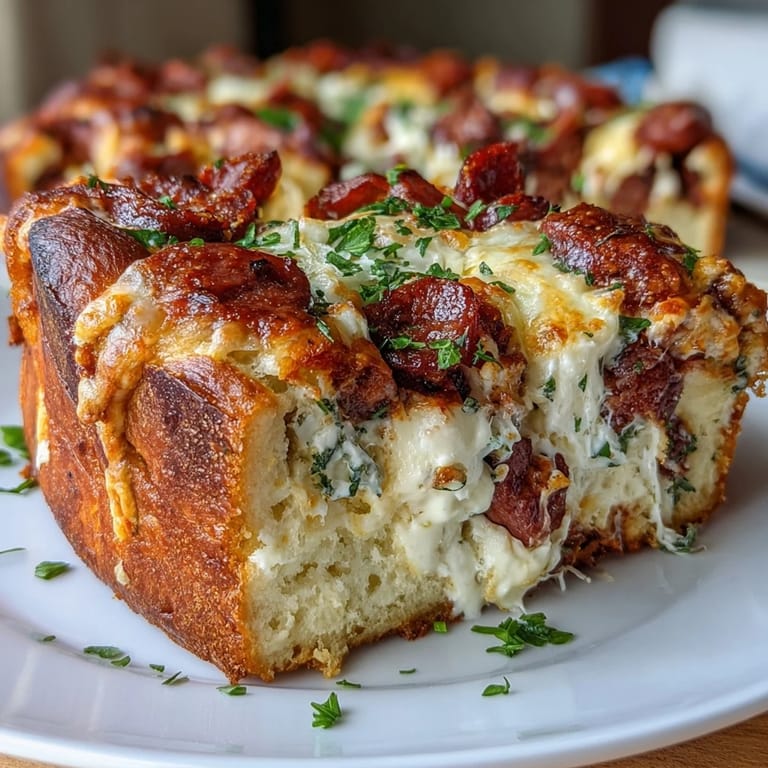
- Let the pie cool for at least 30 minutes before slicing—this gives the filling time to set so it cuts cleanly instead of crumbling. Serve it warm, at room temperature, or even chilled the next day; it's genuinely delicious at any temperature.
 Save
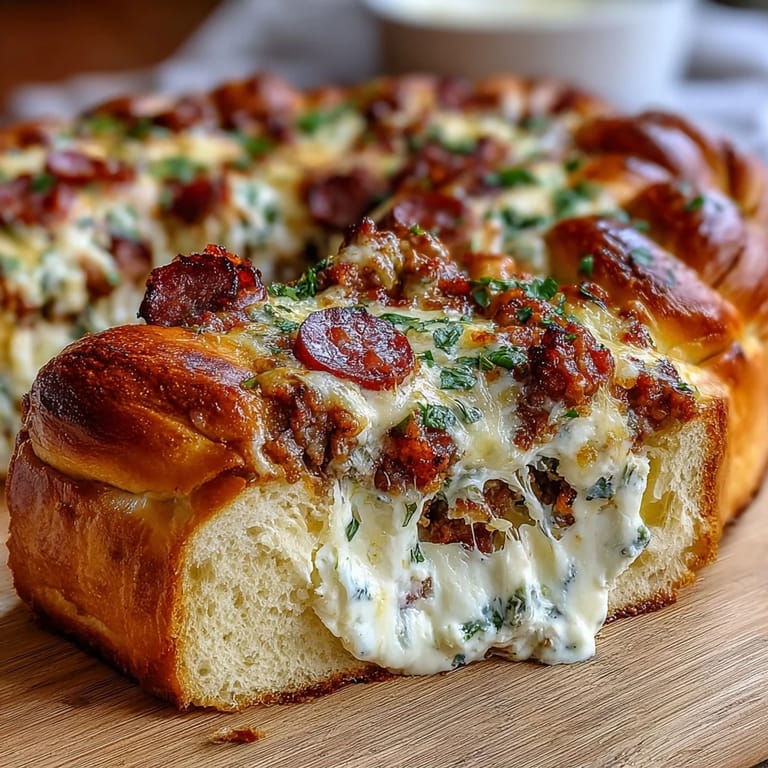
Save There's something magical about watching people's faces when they realize this fancy-looking pie is something you actually made yourself. My brother, who never compliments anything, asked for the recipe immediately after his second slice, and I knew I'd nailed it.
Pastry Secrets That Change Everything
The pastry is where this pie either becomes memorable or forgettable, and honestly, it's not complicated—it's all about respecting cold butter and not overworking the dough. The first time I made this, I was impatient with the chilling step and the crust came out dense and tough. The second time, I actually followed the instructions exactly, and the crust was so tender and flaky that my mother-in-law asked if I'd bought it from the bakery.
One trick I learned the hard way: if your dough starts getting warm as you work with it, pop it back in the fridge for five minutes. Warm dough becomes elastic and difficult, but cold dough rolls like a dream and bakes into something crispy and golden.
The Filling Formula
The magic of this filling is the balance between the creamy richness of ricotta and cream against the sharp, salty salami and Parmigiano. Too much cream makes it soupy, too little makes it dense—this ratio has been perfected over generations of Italian Easter tables. The nutmeg and parsley are what prevent it from tasting one-dimensional; they add complexity without announcing themselves.
I used to taste the filling raw to check the seasoning, and I realized that raw filling and baked filling taste completely different. The flavors concentrate and intensify as things heat, so trust the recipe even if the raw filling seems a bit aggressive on the salt.
Timing, Variations, and Serving Wisdom
This pie genuinely improves when made a day ahead, sitting overnight in the refrigerator where the flavors meld and deepen. Reheating it gently in a 300°F oven for 15 minutes brings it back to that perfect just-warm temperature. You can also absolutely make the dough the day before and store it wrapped tightly in the fridge, which takes the stress out of the morning.
- Prosciutto or cooked ham work beautifully if you want to swap out the salami, though you'll lose that spiced Italian flavor.
- For a vegetarian version, sauté spinach or artichokes and use them in place of the salami, maintaining the same texture contrast.
- Leftovers keep refrigerated for up to four days, and cold pie is honestly its own kind of delicious for midnight snacking.
 Save
Save This pie is more than just a recipe; it's an edible tradition that brings people together at your table. Make it once and it becomes the dish everyone requests every spring.
Q&A About the Recipe
- → What type of cheese is used in this dish?
Ricotta is the main cheese, complemented by Parmigiano-Reggiano and mozzarella for depth and creaminess.
- → Can I substitute the salami with another ingredient?
Yes, prosciutto or cooked ham work well. For a vegetarian option, omit salami and add sautéed spinach or artichokes.
- → How should the pastry be prepared?
The pastry is made by combining flour, cold butter, salt, eggs, and cold water to form a soft dough, then chilled before rolling out.
- → What is the ideal baking temperature and time?
Bake at 375°F (190°C) for 55–60 minutes until the crust is golden and the filling is set.
- → How can I prevent the crust from over-browning?
If the edges brown too quickly, loosely cover them with foil during baking to protect the crust.
- → Is it better served warm or cold?
This pie is best served slightly warm or at room temperature to enhance its rich flavors and creamy texture.