 Save
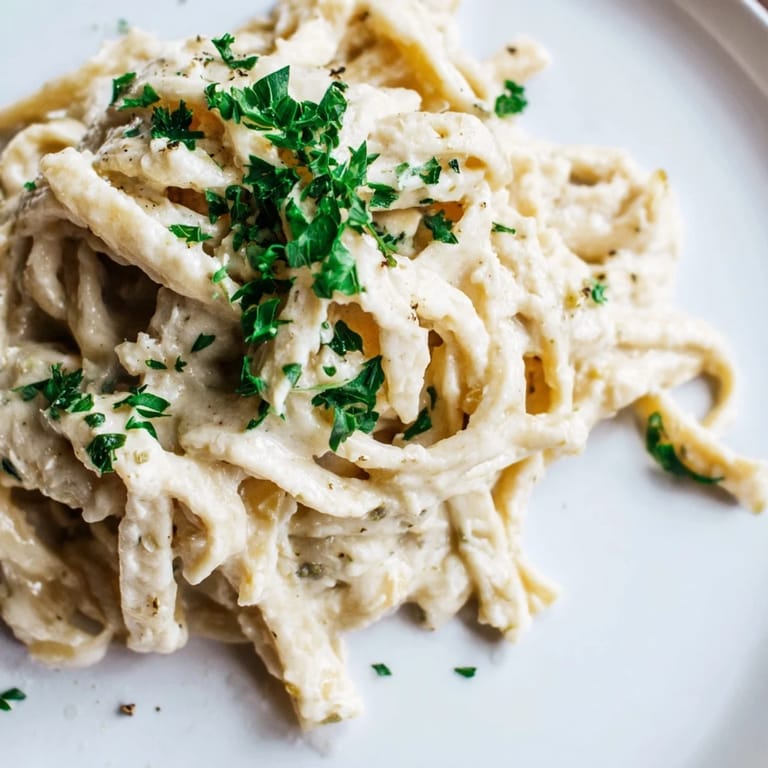
Save My blender made a noise I'd never heard before when I first tried turning roasted cauliflower into pasta sauce. I thought I'd broken it, but what came out was this impossibly silky cream that tasted like comfort and somehow like vegetables at the same time. My roommate walked in, suspicious of anything green-ish on pasta, took one bite, and asked if I'd used heavy cream. I hadn't, and that's when I knew this recipe was a keeper.
I made this for my brother's family on a Tuesday night when his kids were in a no-green-food phase. They watched me blend the roasted cauliflower with wide, worried eyes. But once it was tossed with the fettuccine and topped with a snowstorm of Parmesan, they didn't ask questions. My brother texted me the recipe request at midnight.
Ingredients
- Cauliflower: Choose a head that feels heavy for its size with tight, creamy-white florets, it roasts into sweet, nutty gold.
- Garlic: Roasting whole cloves turns their sharpness into mellow, caramelized sweetness that melts right into the sauce.
- Whole milk: This gives the sauce body and a touch of richness without the heaviness of cream.
- Parmesan cheese: Use the real stuff, freshly grated, it adds both salt and that umami backbone Alfredo is known for.
- Unsalted butter: Divided between roasting and blending, it ties everything together with a silky finish.
- Fettuccine: The wide ribbons hold onto the sauce beautifully, but truly any pasta shape works.
- Nutmeg: Just a whisper of it makes the whole sauce taste warmer and more complex.
- Salt and black pepper: Season in layers, tasting as you go, especially after blending.
- Fresh parsley and extra Parmesan: A handful of green and a final flurry of cheese make it look like you spent hours.
Tired of Takeout? 🥡
Get 10 meals you can make faster than delivery arrives. Seriously.
One email. No spam. Unsubscribe anytime.
Instructions
- Prep the oven:
- Preheat to 425°F and line a baking sheet with parchment so nothing sticks. This high heat is what gives the cauliflower those crispy, caramelized edges.
- Toss and roast:
- Coat the cauliflower florets and garlic cloves with a tablespoon of butter, spread them out so they have space to breathe, and roast for 25 to 30 minutes, stirring halfway. You want deep golden spots and fork-tender florets.
- Cook the pasta:
- While the cauliflower roasts, boil your pasta in generously salted water until al dente. Scoop out a cup of that starchy pasta water before draining, it's your secret weapon for adjusting the sauce.
- Blend the sauce:
- Add the roasted cauliflower, garlic, remaining butter, milk, Parmesan, nutmeg, salt, and pepper to a blender and blitz until it's as smooth as silk. If it's too thick, add pasta water a splash at a time.
- Heat and toss:
- Pour the sauce into a large skillet over medium heat and let it warm through until it just starts to simmer. Add the drained pasta and toss everything together until each strand is coated.
- Serve:
- Plate it up immediately, finishing with a sprinkle of parsley and extra Parmesan. The sauce will cling and thicken slightly as it cools.
 Save
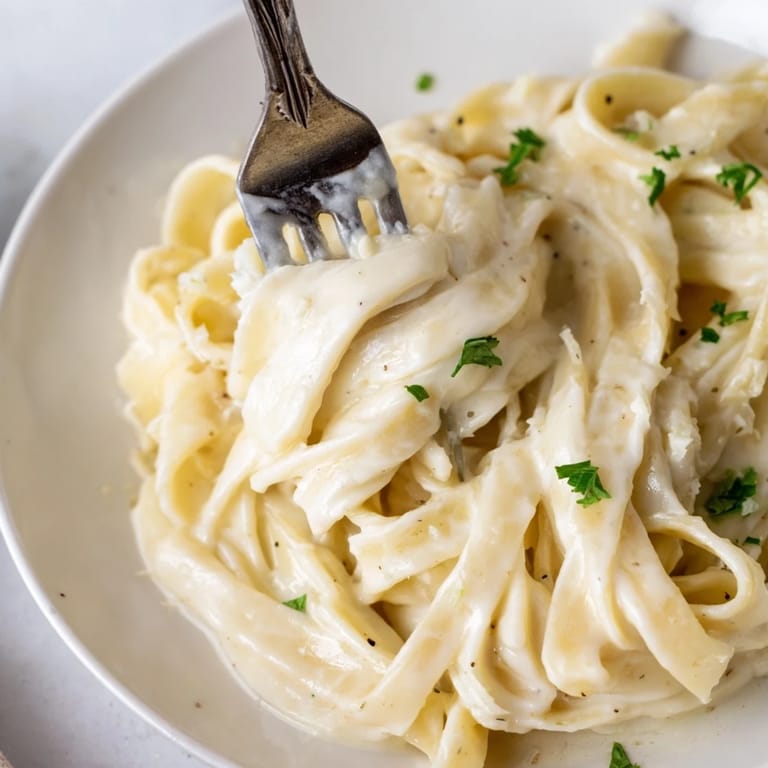
Save One night I served this to a friend who swore she hated cauliflower, and halfway through her second helping she paused and asked what was in it. When I told her, she laughed and said it didn't count because it didn't taste like cauliflower anymore. That's exactly the point.
Make It Your Own
I've stirred in a squeeze of lemon juice right before serving when I wanted brightness, and I've added a pinch of red pepper flakes when I craved a little heat. You can swap the milk for unsweetened almond or oat milk if you're avoiding dairy, though the sauce will be slightly thinner. If you love garlic, roast an extra clove or two.
Storing and Reheating
This keeps in the fridge for up to three days in an airtight container. When you reheat it, add a splash of milk or pasta water and warm it gently on the stove, stirring often. The microwave works too, just stop and stir every 30 seconds. The sauce may thicken as it sits, but it comes back to life with a little liquid and low heat.
What to Serve Alongside
I usually keep it simple with a crisp green salad dressed in lemon and olive oil, or garlic bread if I'm feeling nostalgic. A glass of white wine doesn't hurt either. The dish is rich enough to stand on its own, but light enough that you won't feel weighed down.
- A bright arugula salad with shaved Parmesan balances the creamy pasta.
- Garlic bread, even store-bought, makes everyone happy.
- Roasted cherry tomatoes add a pop of color and acidity.
 Save
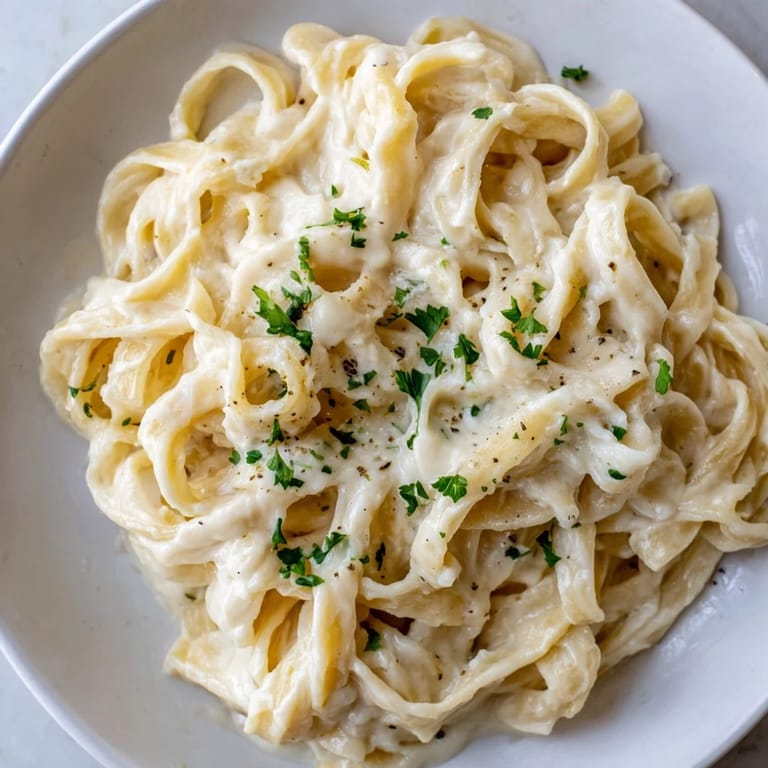
Save This recipe taught me that you don't need cream to make something feel like a treat. Sometimes all it takes is good heat, a little patience, and a vegetable you weren't expecting.
Q&A About the Recipe
- → Can I make this sauce ahead of time?
Yes, prepare the blended sauce up to 2 days in advance and store in an airtight container in the refrigerator. Gently reheat on the stovetop with a splash of pasta water to restore creaminess before tossing with pasta.
- → What pasta shapes work best with this sauce?
Fettuccine and pappardelle are ideal as their wide, flat surfaces capture the creamy sauce beautifully. Penne, rigatoni, or linguine are excellent alternatives. Avoid very thin pasta that may clump.
- → How do I achieve the perfect sauce consistency?
Reserve pasta cooking water before draining—this starchy liquid helps achieve the right thickness. Add gradually while blending, and again when heating, as the sauce will thicken slightly as it simmers.
- → Can I substitute the dairy ingredients?
Absolutely. Use unsweetened almond or oat milk for whole milk, dairy-free butter for unsalted butter, and nutritional yeast or cashew-based Parmesan for cheese. Adjust seasoning to taste as flavors may vary.
- → Why is my cauliflower not roasting evenly?
Ensure florets are cut to similar sizes and spread in a single layer on the baking sheet. Stir halfway through roasting to promote even browning. Don't overcrowd the pan—use two sheets if needed.
- → How should I store leftovers?
Keep finished pasta in an airtight container for up to 3 days in the refrigerator. Reheat gently on the stovetop with a splash of milk or water. The sauce may thicken upon cooling; thin it as needed.