 Save
Save I stumbled onto grain bowls during a particularly hectic Tuesday when I had leftover rice, some cherry tomatoes that were about to turn, and absolutely no idea what to make for lunch. Instead of defaulting to my usual sandwich, I started layering everything into a bowl, drizzled some lemon vinaigrette over it, and suddenly had something that felt intentional and nourishing. That one bowl became my quiet rebellion against bland lunches, and now it's the formula I return to whenever life gets busy or I need to eat my vegetables without thinking too hard about it.
I made this for a friend who'd just started trying to eat healthier, and watching her face light up when she realized she could customize every element took me by surprise. She picked tofu, extra avocado, and double the pumpkin seeds, and suddenly grain bowls weren't boring health food anymore—they were permission to build exactly what sounded good. That moment taught me that sometimes the best recipes are the ones that let people have a say in what they're eating.
Ingredients
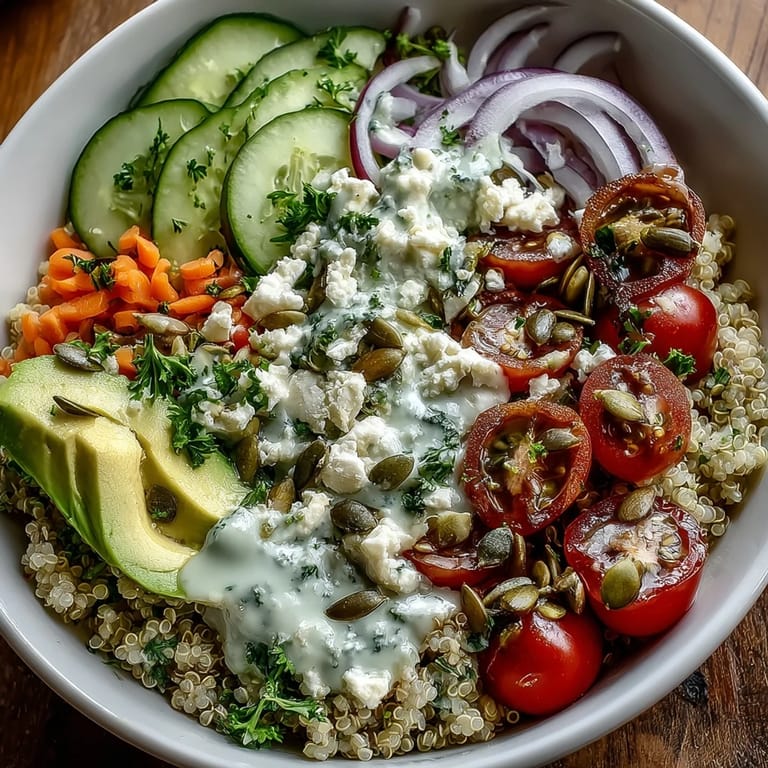
- Base grain (1 cup uncooked): Choose brown rice for earthiness and chew, quinoa for protein and a light nuttiness, or farro if you want something with real substance; each one brings its own personality to the bowl.
- Protein (2 cups cooked): Chickpeas are hearty and satisfying, grilled chicken strips keep it simple, tofu absorbs whatever flavor you give it, or shrimp if you want something lighter and more delicate.
- Cherry tomatoes (1 cup, halved): They burst with bright acidity and remind you that this bowl is alive with flavor, not just fuel.
- Cucumber (1 cup, diced): Cool and crisp, these keep everything from feeling heavy even when you load the bowl generously.
- Shredded carrots (1 cup): Sweet undertones and that satisfying crunch that makes the whole bowl more interesting to eat.
- Avocado (1, sliced): Creamy richness that ties everything together and makes the bowl feel complete rather than scattered.
- Red onion (1/4 cup, thinly sliced): Sharp and assertive, these thin slices add punch without overwhelming if you don't overdo it.
- Feta cheese (1/4 cup, crumbled, optional): A salty accent that elevates simple vegetables into something with personality.
- Toasted pumpkin seeds (1/4 cup): These add texture and nutty depth that transforms the bowl from good to genuinely crave-worthy.
- Fresh herbs (2 tbsp chopped): Parsley, cilantro, or basil brighten everything and make it taste like you actually tried.
- Olive oil (3 tbsp): Quality matters here since it's the backbone of your dressing and doesn't get cooked down.
- Lemon juice (1 tbsp): Acid is your friend, cutting through richness and making every bite feel fresh.
- Apple cider vinegar (1 tbsp): A touch of complexity that lemon alone can't quite achieve, adding depth without harshness.
- Dijon mustard (1 tsp): This emulsifies the dressing and adds a quiet sophistication that makes people ask what your secret is.
- Garlic (1 clove, minced): Just enough to whisper in the background rather than announce itself.
- Salt and pepper: Taste as you go, because the right seasoning is what separates a nice bowl from one you'll actually want to make again.
Tired of Takeout? 🥡
Get 10 meals you can make faster than delivery arrives. Seriously.
One email. No spam. Unsubscribe anytime.
Instructions
- Cook your chosen grain:
- Follow the package instructions and let it cool slightly before assembling; warm grain is fine, but lukewarm is ideal so everything balances temperature-wise. Set it aside in a shallow bowl so it cools evenly.
- Prep your protein:
- If using chicken, season it well and grill or pan-sear until golden; if using tofu, press it first to remove excess moisture, then pan-sear until the edges are crispy and caramelized. Chickpeas can go straight from the can if you're in a rush, but crisping them slightly in a hot pan with a pinch of salt elevates them considerably.
- Whisk your dressing together:
- Combine the olive oil, lemon juice, apple cider vinegar, mustard, and minced garlic in a bowl, then taste and adjust seasoning until it feels balanced and bright. This is the moment to trust your palate, not the recipe—every lemon is different, so add more acid if it feels flat.
- Assemble your bowls:
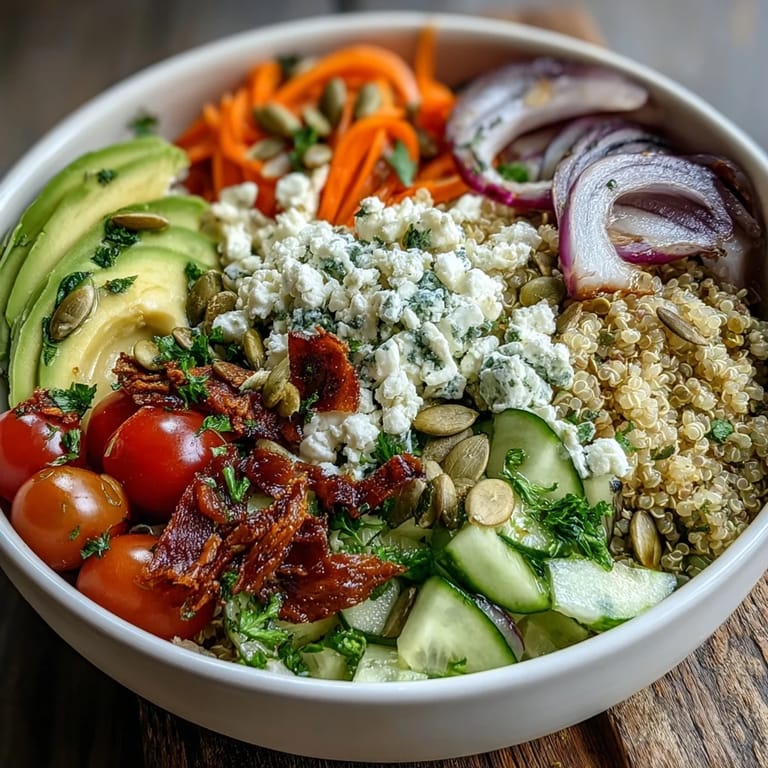
- Start with grain as your base, arrange protein on top or to the side, then scatter vegetables, avocado, and onion across the surface in a way that looks intentional rather than thrown together. Sprinkle with feta if using, then top with pumpkin seeds and fresh herbs for texture and visual appeal.
- Dress just before eating:
- Drizzle the dressing over everything right before serving so nothing gets soggy and flavors stay distinct and bright. Give it a gentle toss if you're sharing, or leave it as-is if you're eating alone and want to control each bite.
 Save
Save My partner came home one evening to find me eating a grain bowl straight from the mixing bowl because I'd made extra and couldn't be bothered plating it, and instead of laughing, he asked if he could have some too. Now it's become our Thursday night ritual, something we build together while catching up about our days, and it's turned a practical weeknight dinner into something I actually look forward to.
Why This Works as Meal Prep
The genius of grain bowls is that you can prep everything separately on Sunday and assemble them fresh all week without anything getting soggy or losing its appeal. Store your cooked grain and proteins in airtight containers, keep the vegetables separate, and add the dressing only when you're ready to eat—this way Monday's lunch tastes just as good as Friday's, which almost never happens with traditional meal prep. I've learned that the dressing is the only thing that suffers if it sits too long, so I usually store it separately and shake it well before pouring.
Playing with Seasonal Variations
In summer, I lean into raw vegetables and lighter proteins like shrimp or chickpeas, keeping everything cool and fresh. When fall arrives, I roast root vegetables like beets and sweet potatoes, swap in seeds like sunflower or hemp, and suddenly the bowl feels warmer and more grounded. Winter calls for heartier grains like farro, cooked vegetables like roasted broccoli, and proteins that stick with you longer, while spring is all about tender herbs and the first fresh peas or asparagus you can find.
Dressing and Flavor Combinations That Actually Work
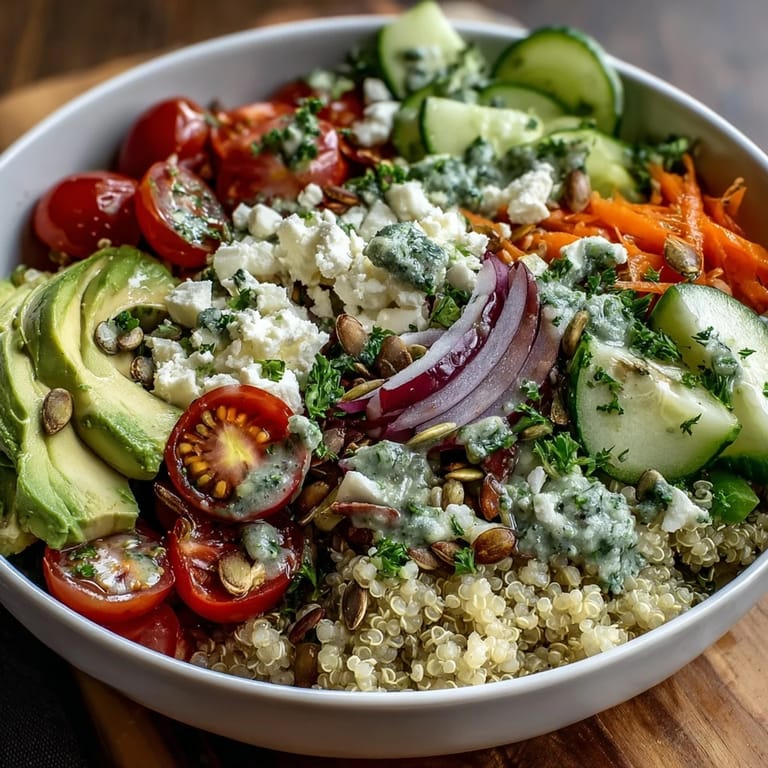
The basic vinaigrette I've shared here is reliable and flexible, but you can absolutely remix it depending on what sounds good. If you're going Mediterranean, use oregano instead of Dijon and add a touch of honey; for something with more warmth, swap the apple cider vinegar for red wine vinegar and add a pinch of cumin; or go completely Asian-inspired with rice vinegar, sesame oil, a touch of soy sauce, and fresh ginger instead.
- Always taste the dressing on its own before it hits the bowl, so you're not surprised by how it actually tastes.
- Make double and keep it in a jar for the next few days, shaking it well before use.
- The balance between acid and fat is what makes a dressing sing, so adjust based on your mood and palate.
 Save
Save There's something wonderfully honest about a grain bowl—it's just good ingredients treated respectfully and arranged with intention. It won't impress anyone looking for complexity, but it will absolutely satisfy you and make you feel like you're taking care of yourself without pretending to be something it's not.
Q&A About the Recipe
- → What grains work best for bowl meals?
Brown rice, quinoa, and farro all work beautifully as bases. Rice and quinoa are naturally gluten-free, while farro offers a chewy texture. Cook grains ahead of time and store them for quick assembly throughout the week.
- → How long do grain bowls keep in the refrigerator?
These bowls stay fresh for 4-5 days when stored in airtight containers. Keep the dressing separate until serving to maintain crisp textures. The grains actually absorb flavors better after sitting for a day.
- → Can I make grain bowls vegan?
Absolutely. Use chickpeas or tofu as your protein source and omit the feta cheese. The combination of grains, legumes, and vegetables provides complete protein while the olive oil-based dressing adds richness.
- → What vegetables work well in grain bowls?
Cherry tomatoes, cucumber, shredded carrots, and avocado are classic choices. You can also add roasted vegetables, fresh greens, shredded cabbage, bell peppers, or steamed broccoli based on what's in season.
- → How do I add more protein to my bowl?
Beyond the listed options, try adding grilled salmon, hard-boiled eggs, edamame, or tempeh. You can also sprinkle hemp seeds or nutritional yeast for plant-based protein boosts.