 Save
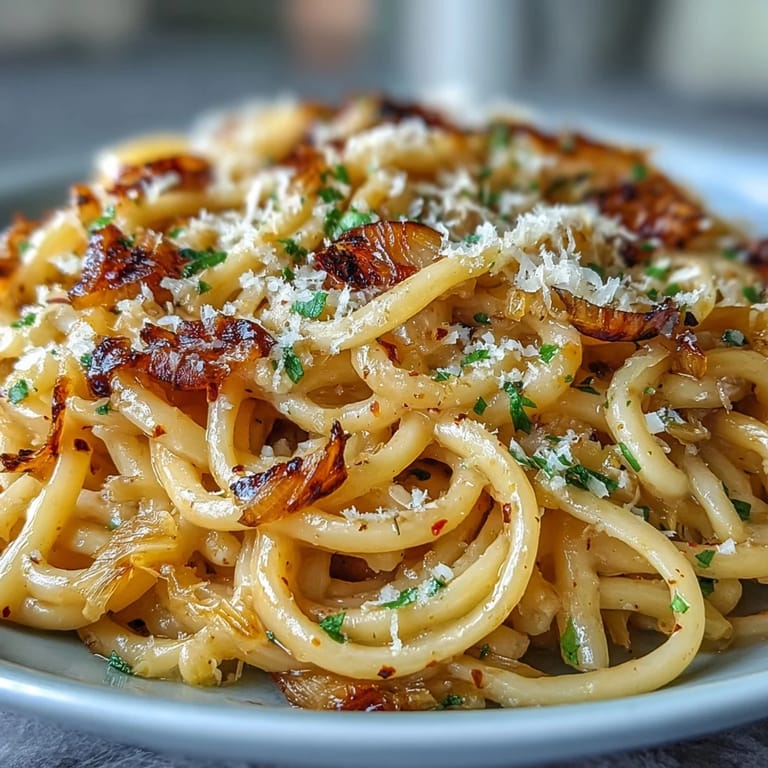
Save My grandmother used to say cabbage was peasant food, but she always cooked it like royalty. One night I had nothing but half a head of cabbage and some dried pasta in my pantry, and I thought about her kitchen, the way she never wasted a single leaf. I threw the cabbage into a hot pan with butter and garlic, and the smell alone made me understand why she always smiled when she stirred her pots. What came out wasn't fancy, but it tasted like warmth and memory. That's when I realized comfort doesn't need a long ingredient list.
I made this for a friend who swore she hated cabbage. She stood in my kitchen with her arms crossed, skeptical, watching me caramelize the ribbons until they turned golden at the edges. The garlic hit the pan and filled the room, and I saw her face soften. She took one bite and said nothing, just went back for seconds. Sometimes the best compliment is silence and an empty plate.
Ingredients
- Spaghetti or linguine (12 oz): Long noodles catch the cabbage and garlic beautifully, and they tangle together in a way that makes every forkful satisfying.
- Green cabbage (1 medium head, about 1½ lbs): Choose a firm head with tightly packed leaves, slice it thin so it wilts and caramelizes evenly without turning mushy.
- Olive oil (2 tablespoons): This adds fruity richness and helps the cabbage brown without burning.
- Unsalted butter (2 tablespoons): Butter brings a silky, nutty depth that olive oil alone can't achieve, especially when the cabbage starts to color.
- Garlic cloves (4, thinly sliced): Slicing instead of mincing gives you sweet, mellow bites of garlic instead of harsh sharpness.
- Crushed red pepper flakes (½ teaspoon, optional): Just enough heat to wake up your palate without overwhelming the sweetness of the cabbage.
- Freshly ground black pepper (½ teaspoon): Crack it fresh for a peppery bite that cuts through the richness.
- Fine sea salt (¾ teaspoon, plus more): Salt draws out moisture from the cabbage and helps it caramelize, so don't skimp here.
- Parmesan cheese (1 cup grated, plus extra): Grate it yourself from a block, the pre-shredded stuff doesn't melt the same way and lacks that nutty punch.
- Fresh parsley (2 tablespoons, chopped, optional): A handful of green at the end adds brightness and makes the dish feel less heavy.
- Lemon zest (1 lemon, optional): A little citrus zest lifts everything and keeps the richness in check.
Tired of Takeout? 🥡
Get 10 meals you can make faster than delivery arrives. Seriously.
One email. No spam. Unsubscribe anytime.
Instructions
- Boil the pasta:
- Bring a large pot of salted water to a rolling boil and cook the pasta until it's al dente, with just a little chew left in the center. Before you drain it, scoop out a cup of that starchy pasta water, it's liquid gold for bringing the sauce together later.
- Caramelize the cabbage:
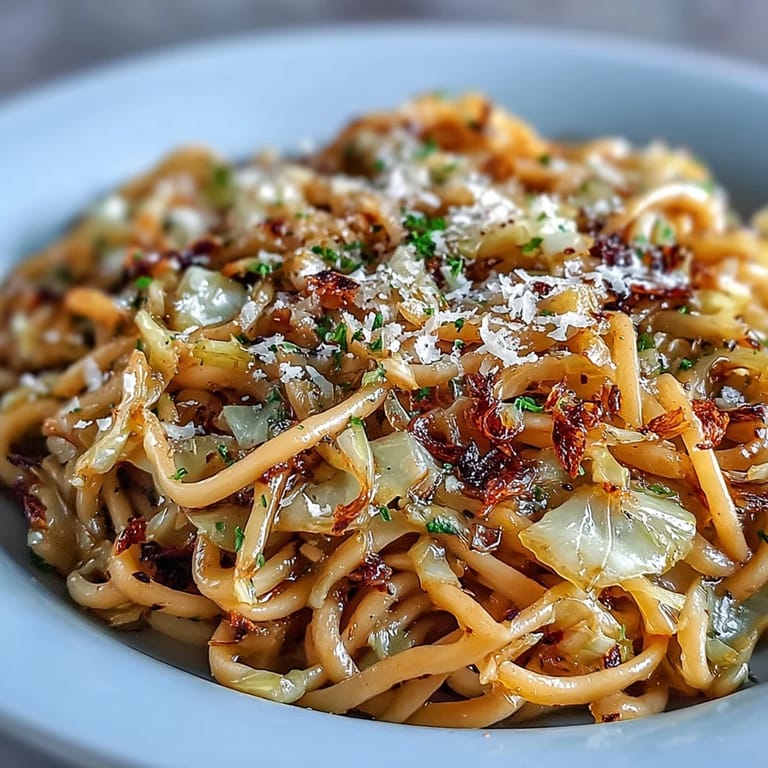
- While the pasta bubbles away, heat olive oil and butter in a large skillet over medium heat until the butter foams. Add the sliced cabbage and a good pinch of salt, then let it cook without stirring too much, about 12 to 15 minutes, so the edges turn golden and sweet.
- Add the garlic and spice:
- Toss in the sliced garlic and red pepper flakes, stirring for a minute or two until the garlic smells toasty and fragrant. Don't let it brown too much or it'll turn bitter.
- Toss everything together:
- Add the drained pasta right into the skillet with the cabbage, and toss it all together with tongs. Splash in some reserved pasta water, a little at a time, until everything is glossy and coated.
- Finish with cheese:
- Stir in the Parmesan and black pepper, tasting as you go. Add more salt if it needs it, and let the cheese melt into the noodles until every strand is lightly creamed.
- Serve hot:
- Plate it up immediately, topped with parsley, lemon zest, and extra Parmesan. This dish is best when it's still steaming.
 Save
Save There was a cold Tuesday in March when I made this after a long day, and I ate it standing at the stove, straight from the pan. The cabbage was sweet, the garlic was mellow, and the Parmesan made everything feel like a hug. I realized then that some of the best meals aren't plated beautifully or shared at a table, they're the ones you eat alone in your kitchen, grateful for the quiet and the warmth.
How to Get the Cabbage Just Right
The key to this dish is patience with the cabbage. You want it to soften and turn golden at the edges, which takes a good 12 minutes over medium heat. If you stir it too much, it steams instead of caramelizes. Let it sit in the pan, giving it a toss every few minutes, and you'll be rewarded with sweet, tender ribbons that taste nothing like boiled cabbage. If it starts to stick, lower the heat slightly and add a splash of pasta water.
Making It Your Own
This recipe is forgiving and loves a little improvisation. I've added toasted walnuts for crunch, swapped in Pecorino Romano when I wanted something sharper, and even stirred in a handful of spinach at the end for extra greens. A squeeze of lemon juice just before serving brightens everything up, especially if you've gone heavy on the butter. Some nights I skip the parsley and add a drizzle of good olive oil instead, it all depends on what's in the fridge and what kind of mood I'm in.
Storing and Reheating
Leftovers keep well in the fridge for up to three days, though the pasta will soak up some of the moisture as it sits. When you reheat it, add a splash of water or broth to a skillet and warm it gently over medium-low heat, stirring until it loosens up again. I don't recommend microwaving it, the texture suffers and the cabbage can get a little sad. If you have extra Parmesan, grate some fresh over the top when you reheat, it makes it taste almost as good as the first time.
- Store in an airtight container and refrigerate within two hours of cooking.
- Reheat gently on the stovetop with a little liquid to bring back the silky texture.
- Don't freeze this dish, the cabbage doesn't hold up well after thawing.
 Save
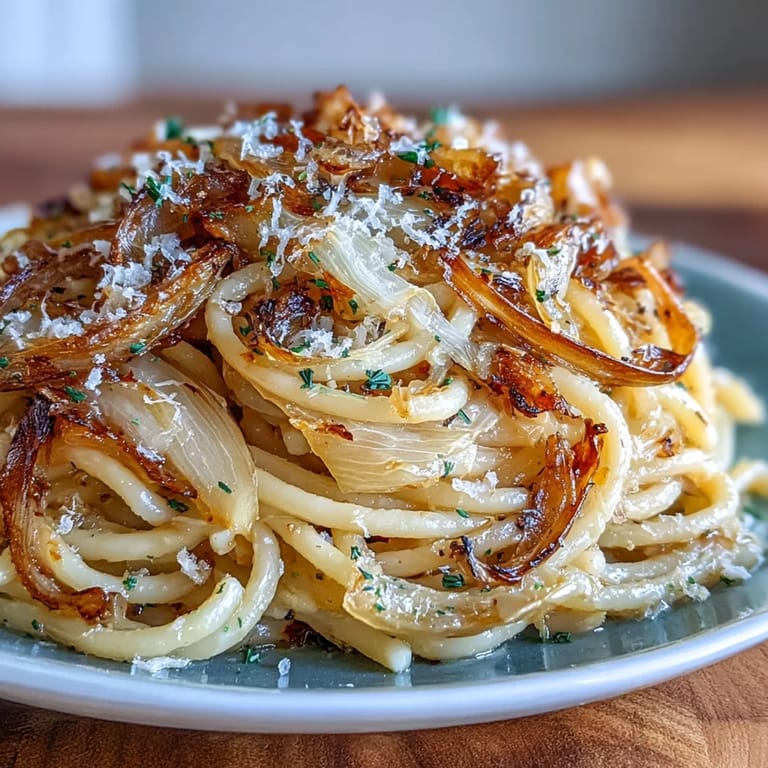
Save This is the kind of recipe I come back to when I need something easy but soul-satisfying, the kind of dish that fills your kitchen with good smells and doesn't ask much of you. I hope it finds a place in your weeknight rotation, maybe on a night when you're tired and hungry and just need something warm.
Q&A About the Recipe
- → Can I use a different type of pasta?
Absolutely! While spaghetti or linguine work beautifully, you can use any long pasta like fettuccine or bucatini. Short pasta like penne or rigatoni also works well for catching the caramelized cabbage pieces.
- → How do I know when the cabbage is properly caramelized?
The cabbage should turn golden brown at the edges and become tender and sweet, taking about 12-15 minutes. Stir occasionally to ensure even browning, but not too frequently—letting it sit allows caramelization to develop.
- → Can I make this ahead of time?
While best served fresh, you can prepare the caramelized cabbage ahead and refrigerate it. When ready to serve, reheat the cabbage, cook fresh pasta, and combine. The pasta may absorb moisture when stored, so add extra pasta water when reheating.
- → What can I add for extra protein?
This dish pairs wonderfully with grilled chicken, Italian sausage, or crispy pancetta. For a vegetarian protein boost, add white beans or chickpeas during the final toss, or top with a fried egg.
- → Why is my pasta dry after mixing?
The reserved pasta water is essential for creating a silky coating. Add it gradually, a few tablespoons at a time, while tossing. The starchy water helps the Parmesan create a light sauce that clings to the pasta and cabbage.
- → Can I use pre-shredded cabbage?
Yes, coleslaw mix or pre-shredded cabbage saves time. However, freshly sliced cabbage from a whole head tends to caramelize better and has superior texture. If using pre-shredded, ensure it's not too finely cut.