 Save
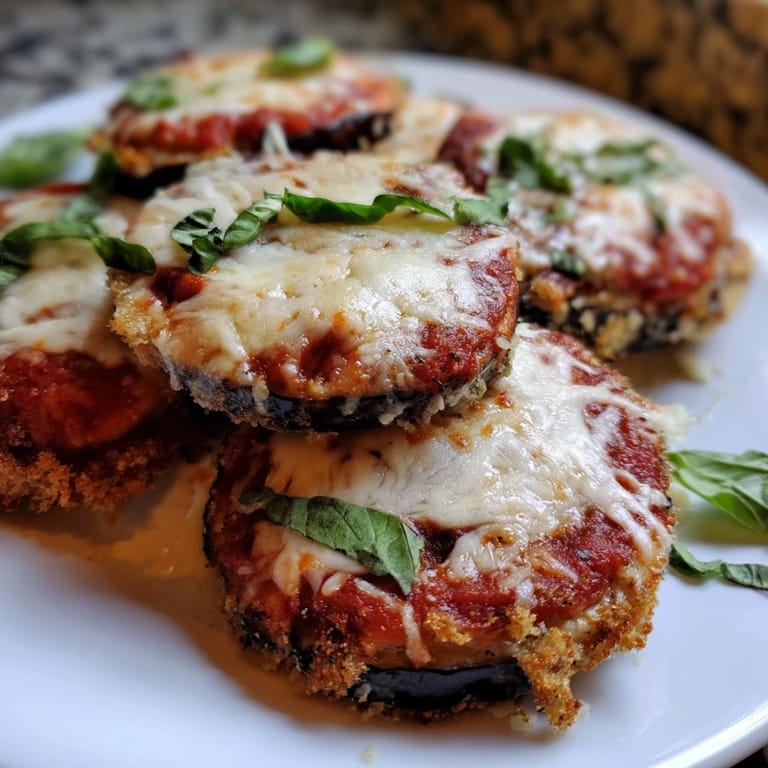
Save There's something about eggplant that used to intimidate me—until a visiting aunt casually fried up thin slices in her kitchen one summer evening, and the whole apartment filled with this nutty, almost sweet aroma I'd never associated with the vegetable before. That night changed everything, and years later when I finally tried layering those golden slices with sauce and cheese, I understood why she'd been so unfazed by it all. Eggplant Parmesan became my proof that sometimes the most rewarding dishes are the ones that seem complicated until you actually make them.
I made this for a dinner party once where everyone brought something, and I was nervous about the vegetarian main course until I watched people go back for seconds of this, ignoring their own contributions entirely. My neighbor kept asking why restaurant versions never tasted this fresh, and it hit me that homemade sauce makes all the difference—the garlic blooms in olive oil, everything becomes alive on your palate in a way that bottled sauce alone never quite manages.
Ingredients
- Eggplants (2 large, sliced 1/2-inch thick): The foundation of everything—look for ones that feel heavy and have tight, glossy skin, which means they're fresh and won't be watery inside.
- Salt (1 teaspoon for sweating): This step isn't optional; it draws out moisture that would otherwise make your breading soggy and your final dish heavy.
- All-purpose flour (1 cup): Creates the first barrier between eggplant and egg, helping the breading stick evenly.
- Eggs (2 large, beaten): The glue that holds everything together—don't skip whisking them with a splash of water for better adhesion.
- Breadcrumbs (1 1/2 cups, preferably Italian-style): Italian-style breadcrumbs are already seasoned and have better texture; regular ones work but feel less intentional.
- Parmesan (1/2 cup in breading, 1/2 cup for layers): Aged Parmesan adds a salty, nutty punch that elevates the whole dish beyond simple comfort food.
- Dried oregano (1 teaspoon): A whisper of Mediterranean flavor that belongs in the breading, not just sprinkled on top.
- Black pepper (1/2 teaspoon): Freshly ground makes a noticeable difference in the final taste.
- Marinara sauce (2 cups): Use the best quality you can afford or make your own if time allows; it's the backbone of flavor.
- Garlic (2 cloves, minced): Bloomed in olive oil before the sauce goes in, this becomes mellow and sweet rather than sharp.
- Olive oil (1 tablespoon for sauce, plus more for hands): Good oil matters here because it's a main player, not a background ingredient.
- Mozzarella (2 cups shredded): Fresh mozzarella will break down oddly; use low-moisture or whole-milk mozzarella for that perfect melt and bubble.
- Fresh basil (1/4 cup chopped, optional): Optional but honestly essential—it wakes up the finished dish with brightness that's hard to replicate.
Tired of Takeout? 🥡
Get 10 meals you can make faster than delivery arrives. Seriously.
One email. No spam. Unsubscribe anytime.
Instructions
- Set your oven and prep your workspace:
- Preheat to 400°F and line two baking sheets with parchment paper—this is your stage for the eggplant's transformation into something crispy and golden. Having everything ready means you won't be fumbling when the eggplant is waiting.
- Salt and rest the eggplant:
- Lay slices on a rack (or paper towels if you don't have one) and sprinkle generously with salt on both sides, then let them sit for 20 minutes—you'll see the moisture begin to bead on the surface. Pat everything dry afterward; this step is what makes your final dish crispy instead of soggy.
- Build your breading station:
- Three shallow dishes in a row: flour first, beaten eggs second, and in the third, mix breadcrumbs with the Parmesan, oregano, and pepper—keep everything organized because you'll move quickly through this step. The setup matters more than speed.
- Bread each slice with care:
- Dredge in flour to coat, tap off excess, dip in egg, then press into the breadcrumb mixture so it adheres all over. Arrange on your baking sheets in a single layer, not touching.
- Bake the breaded slices:
- Twenty minutes in the oven, flipped halfway through, until they're golden brown and smell incredible—this is when you'll believe it'll actually be delicious. They should feel crispy when you touch them, not soft.
- Make the sauce while eggplant bakes:
- Warm olive oil in a saucepan, add minced garlic, and let it cook for just one minute until fragrant but not brown. Pour in your marinara and let it simmer gently for 5 minutes so the flavors start talking to each other.
- Layer everything in the baking dish:
- Start with 1/2 cup sauce on the bottom of a 9x13-inch dish, then half your eggplant slices, half the remaining sauce, half the mozzarella, and a sprinkle of Parmesan—then repeat those layers exactly. Each layer should feel generous and intentional.
- Bake until bubbly and golden:
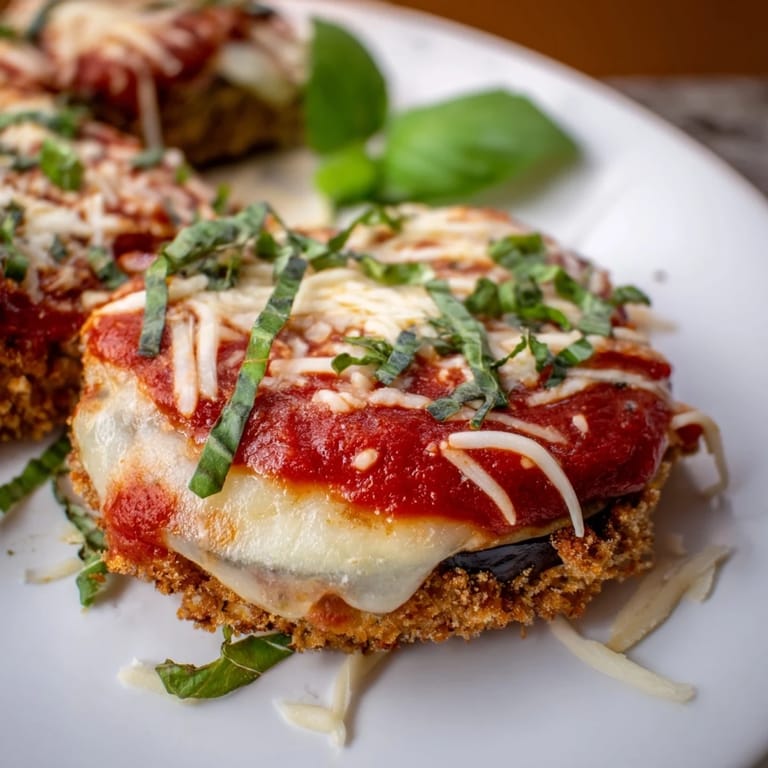
- Twenty-five minutes uncovered at 400°F, and you'll watch the cheese bubble around the edges while the top turns golden—that's when you know it's ready. Let it rest for 10 minutes before serving so the layers stay together instead of sliding apart.
- Finish with basil:
- Scatter fresh basil over the top just before serving if you have it—it adds a brightness that makes people taste the dish differently.
 Save
Save I learned something watching my father eat this the first time I made it for him—he closed his eyes after the first bite, and I realized this dish had become more than sustenance or even comfort. It was a moment where something I'd made with my own hands tasted exactly the way I'd hoped it would, and someone I loved recognized that effort in the flavor.
Why Crispy Eggplant Changes Everything
The secret that separates restaurant-quality eggplant from mediocre versions is respecting the salting step and the oil temperature when baking. Most home cooks skip the moisture-drawing phase and end up with eggplant that steams rather than crisps, turning the whole dish soggy. When you take those 20 minutes to let the salt do its job, the eggplant's cell structure tightens, and when it hits the hot oven, the outside shatters like it was fried instead. The breading should sound crispy when you cut into it, not feel leathery or soft.
Building Layers Like You Mean It
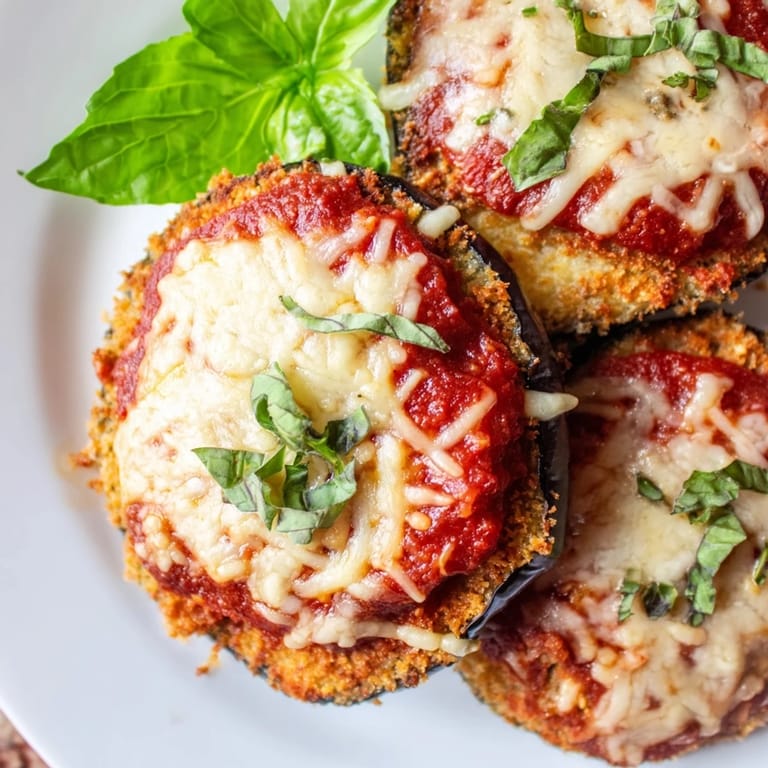
The layering is where this dish becomes restaurant-worthy—it's not just about stacking things on top of each other. Each layer of sauce should coat the eggplant evenly, and the cheese needs to touch the sauce in between so it melts into everything rather than just sitting on top. When you finish the top layer, make sure the cheese covers all the edges, not just the center, so every bite has that golden, bubbly texture.
Make It Your Own
This recipe welcomes small adjustments without losing its soul—you can try different herbs in the breading, add a pinch of red pepper flakes to the sauce for warmth, or even layer in thin slices of fresh tomato between the eggplant and cheese if you want brightness. Some people skip the fresh basil and use a pinch of dried instead, others fry the eggplant in shallow oil rather than baking it for an even crispier result.
- If you're frying instead of baking eggplant, use olive oil at about 350°F and work in batches so pieces aren't crowded and don't steam.
- Fresh mozzarella will separate and become oily; stick with low-moisture mozzarella or a combination of mozzarella and provolone for better results.
- This dish is actually better the next day when flavors have had time to meld, so don't hesitate to make it ahead and reheat gently before serving.
 Save
Save Make this when you want to prove to yourself that vegetarian cooking isn't a compromise—it's a revelation. The smell alone, watching it bubble in the oven, makes the whole effort worthwhile.
Q&A About the Recipe
- → How do you ensure eggplant slices become crispy?
Salting the slices to draw out moisture and patting them dry before breading helps achieve a crisp texture when baked.
- → Can I fry the eggplant instead of baking?
Yes, pan-frying in olive oil gives extra crispiness and a richer flavor, though baking provides a lighter option.
- → What is the best way to layer the ingredients?
Start with a layer of sauce on the dish bottom, then alternate baked eggplant slices, sauce, mozzarella, and Parmesan until all layers are complete.
- → Is it possible to use gluten-free breadcrumbs?
Absolutely, gluten-free breadcrumbs can be substituted for dietary preferences without sacrificing texture.
- → How long should the dish rest before serving?
Allowing the layered dish to rest for about 10 minutes after baking helps the flavors meld and makes serving easier.